

Affordable homes create more anxiety than expensive ones. The margin for error is often smaller, even though the decisions matter just as much.
When budgets are tighter, choices feel heavier. Waiting feels safer. Perfection starts to feel necessary. That’s a very human response to high-stakes decisions.
Smart buyers don’t eliminate that tension. They learn how to work with it.
Instead of chasing perfect timing or perfect condition, they focus on trade-offs. They evaluate how a home will function financially and practically over time—not just how it looks on day one.
That shift—from perfection to function—is what allows decisions to move forward.
Why Waiting Feels Responsible—and Often Costs More
When money decisions feel unsettled, people tend to avoid immediate discomfort. Interest rates feel concrete. Monthly payments feel personal. Waiting can feel like a way to regain control.
In housing markets, that instinct often shows up as waiting for the “right time” or the perfect rate.
The problem is that markets don’t pause while buyers wait.
Entry-level and affordable homes tend to feel demand first when buyers re-enter the market. As competition increases, prices often adjust before rates meaningfully improve. Negotiation leverage shrinks. Concessions disappear. Choice narrows.
Rates can be refinanced. Prices can’t.
One way to think about it is similar to how interest works on a credit card. A lower interest rate helps, but the balance matters more. When prices rise while buyers wait, the lower rate applies to a higher purchase price—often reducing or canceling out the advantage buyers were hoping to gain.
This isn’t about predicting the market. It’s about understanding how timing changes the math.
The Three Variables Every Buyer Is Actually Choosing Between
In real estate, buyers are almost always choosing between three things:
- Price
- Condition (how turnkey a home feels)
- Timing (speed and certainty)
Most purchases optimize for two. Rarely all three.
Lower price and faster timing often require flexibility around condition. Turnkey homes tend to command higher prices. Waiting for all three to align usually leads to frustration—or missed opportunities.
Progress comes from deciding which two matter most before emotion takes over.
This same framework applies to investor decisions, where fundamentals and long-term math outweigh surface condition.
What Cosmetics Change—and What They Don’t
Cosmetic details matter to buyers who want ease and immediacy. That preference is valid. Paint colors, finishes, and presentation influence how quickly a home feels livable.
What experienced buyers separate is preference versus permanence.
Cosmetics influence convenience. Structure, systems, layout, and surroundings influence cost, longevity, and flexibility. One is easier to change than the other.
This distinction helps buyers recognize whether a home is truly a poor fit—or simply a different trade-off than they expected.
For sellers, it’s why addressing obvious cosmetic friction can help buyers focus on fundamentals instead of getting stuck on details that feel unfinished.
What You Can’t Change Matters More Than What You Can
One of the most overlooked factors in affordable purchases is what surrounds the home.
Nearby commercial uses, traffic patterns, schools, infrastructure, and visible elements like power lines affect long-term desirability in ways cosmetic updates never will. These conditions influence how a property lives day to day—and how it performs over time.
Unlike finishes, these factors can’t be changed later. Evaluating them early helps buyers align expectations with reality.
How Intentional Trade-Offs Play Out in Real Purchases
When buyers are deliberate about which trade-offs they’re making, outcomes tend to make sense—even when the home isn’t perfect.
Some homes prioritize entry price and predictable ownership over cosmetic polish. Others deliver convenience and immediacy at a higher cost. Neither approach is inherently right or wrong. Problems arise when the trade-offs aren’t intentional.
Awareness changes everything.
Examples Where the Trade-Offs Were Chosen on Purpose
The following homes show how these decision-making principles appear in actual purchases:
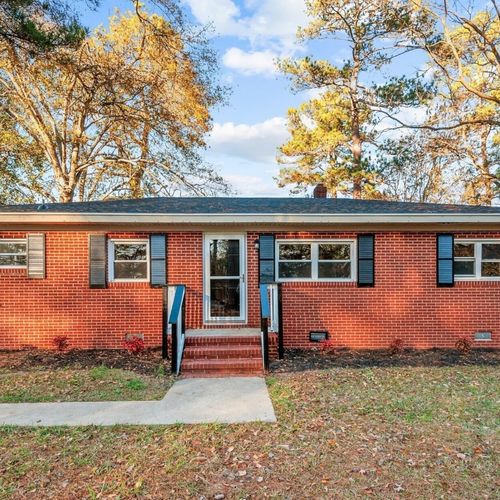
- 303 Woodview Drive, Goldsboro — A brick home under $200K where predictable systems and entry price mattered more than cosmetic perfection. (Active)
- 131 Creech Road, Garner — A Wake County case study on how adjustable surfaces can overshadow permanent advantages like land, layout, and location.
These examples aren’t about finding a single “right” way to buy. They illustrate how deliberate trade-offs lead to confident decisions.
The Goal Isn’t a Perfect Home—It’s a Workable One
It’s about understanding how price, condition, and timing interact—and choosing deliberately.
Affordable homes reward buyers who focus on fundamentals, manage expectations, and make decisions rooted in understanding rather than fear. That approach doesn’t eliminate trade-offs. It makes them manageable.
Check out this article next